
No products in the cart.
Top 10 Signs Your Electric Fence Needs Repair Before It Fails
29
Jul
Jul
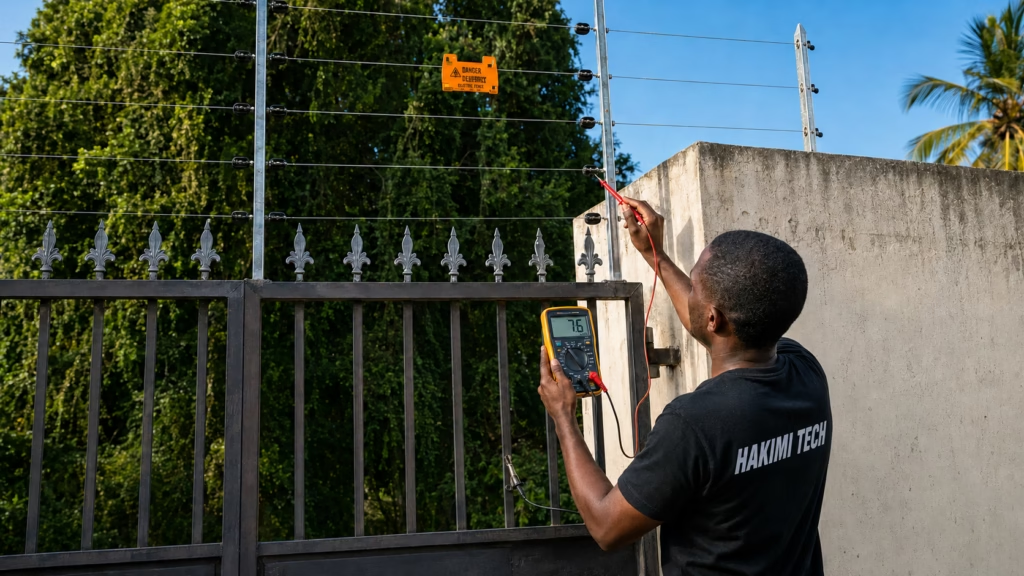
At Hakimi Tech, we provide professional electric fence repair and maintenance for residential, commercial, industrial and institutional properties across Kenya. Regular inspections and timely repairs are essential for maintaining the correct fence voltage, preventing unexpected failures and keeping your property protected.
Most electric fence problems develop gradually. Warning signs such as continuous alarm notifications, low voltage, corroded connections, damaged insulators and vegetation touching the wires may appear before the system fails completely. Identifying these problems early can reduce repair costs, extend the system’s lifespan and prevent gaps in your security.
Our experienced technicians provide fault diagnosis, preventive maintenance, system upgrades and Annual Maintenance Contracts across Mombasa, Kilifi, Diani, Malindi and the wider coastal region. In this guide, we explain the top 10 signs that your electric fence needs repair and when you should arrange a professional inspection.
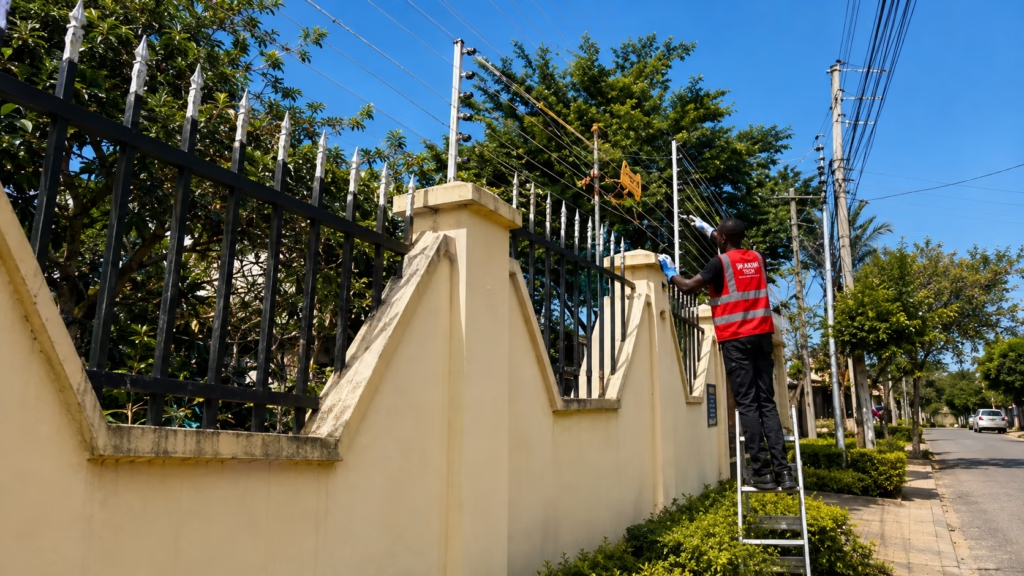
Electric fence done for a residential complex by Hakimi Tech
Table of Contents
Why Regular Electric Fence Maintenance Matters
- How an Electric Fence Works
- Top 10 Signs Your Electric Fence Needs Repair
- Fence Alarm Keeps Beeping
- Low Fence Voltage
- Rust and Corrosion on Fence Components
- Broken Insulators
- Cut or Damaged Fence Wires
- Vegetation Touching the Fence
- Lightning Damage
- Battery Backup Failure
- Energizer Faults
- Frequent False Alarms
- Why Mombasa’s Coastal Climate Damages Electric Fences Faster
- What Happens If You Ignore Electric Fence Repairs?
- Safe Checks You Can Perform Yourself
- When Should You Call an Electric Fence Repair Professional?
- Why an Annual Maintenance Contract (AMC) Saves Money
- Frequently Asked Questions
- Why Choose Hakimi Tech for Electric Fence Repairs
- Conclusion
Why Regular Electric Fence Maintenance Matters
Your electric fence is the first line of defence against unauthorised access. It is designed to deliver a safe, high-voltage pulse that discourages intruders while remaining compliant with safety standards. To achieve this, every component—from the energizer and battery to the wires and insulators—must work together efficiently.
Over time, normal wear and tear, harsh weather, corrosion, vegetation growth, and accidental damage reduce the system’s performance. Even if the fence appears to be functioning, hidden faults may lower the voltage or create weak sections that compromise security.
Routine maintenance helps you:
- Maintain the correct fence voltage.
- Detect faults before they become major failures.
- Reduce emergency repair costs.
- Extend the lifespan of the entire system.
- Ensure compliance with safety regulations.
- Keep your property protected 24 hours a day.
Preventive maintenance is always more affordable than emergency repairs after a system failure.
How Does an Electric Fence Work?
Understanding the basics of an electric fence makes it easier to identify when something is wrong.
An electric fence consists of several key components:
- Fence energizer
- High-voltage fence wires
- Insulators
- Earth (grounding) system
- Battery backup
- Fence alarm monitor
- Gate contacts and connectors
- Warning signs
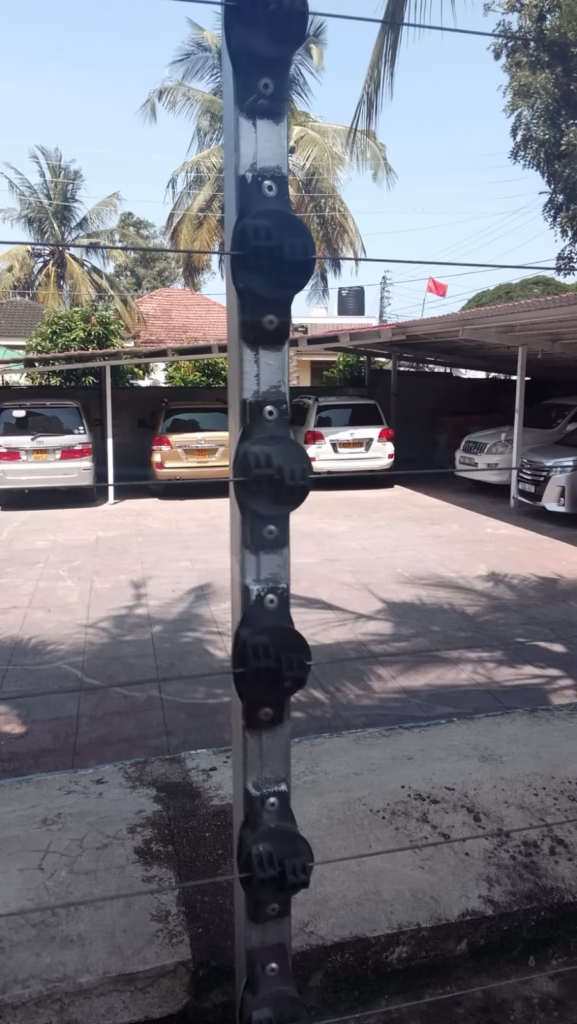
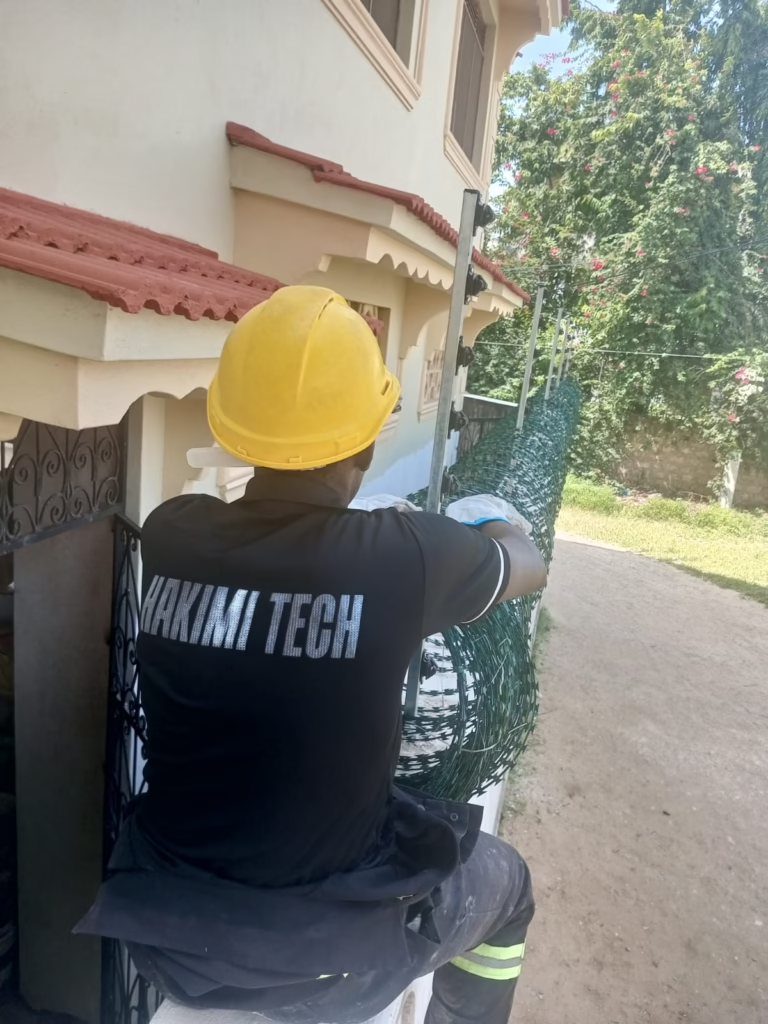
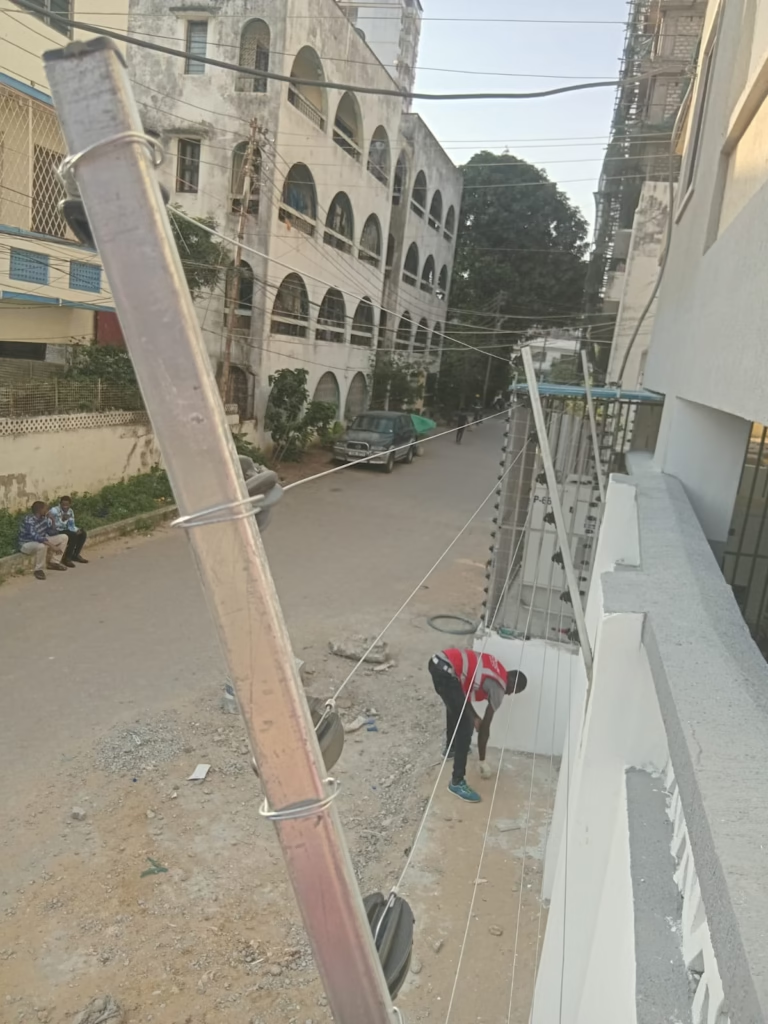
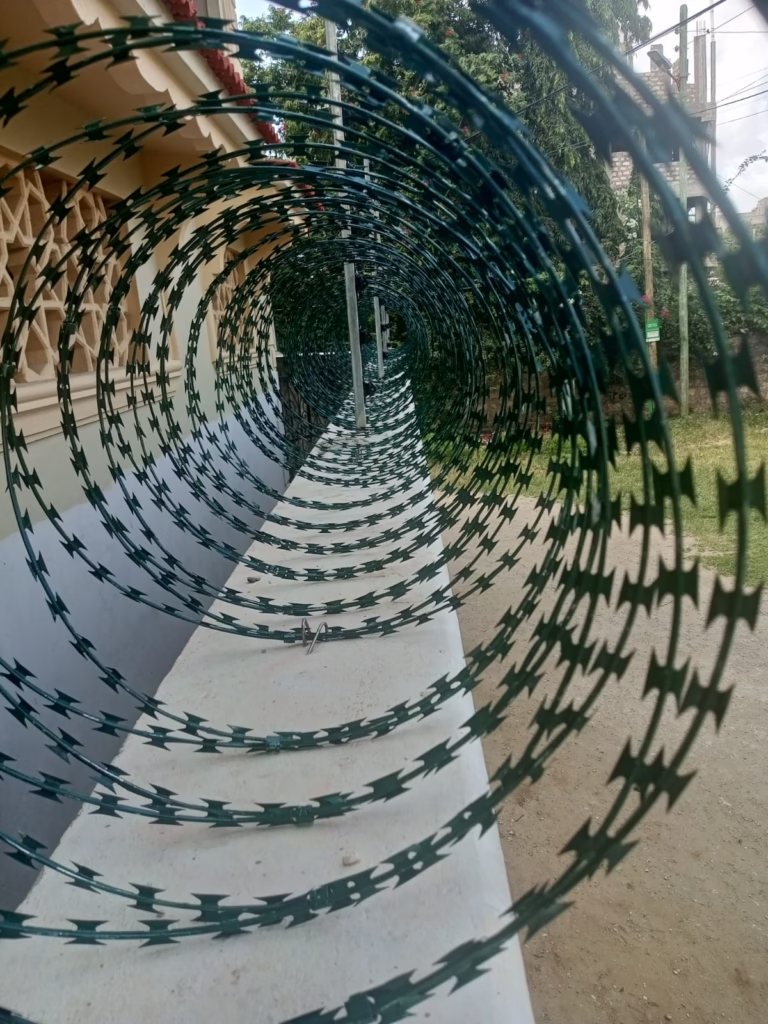
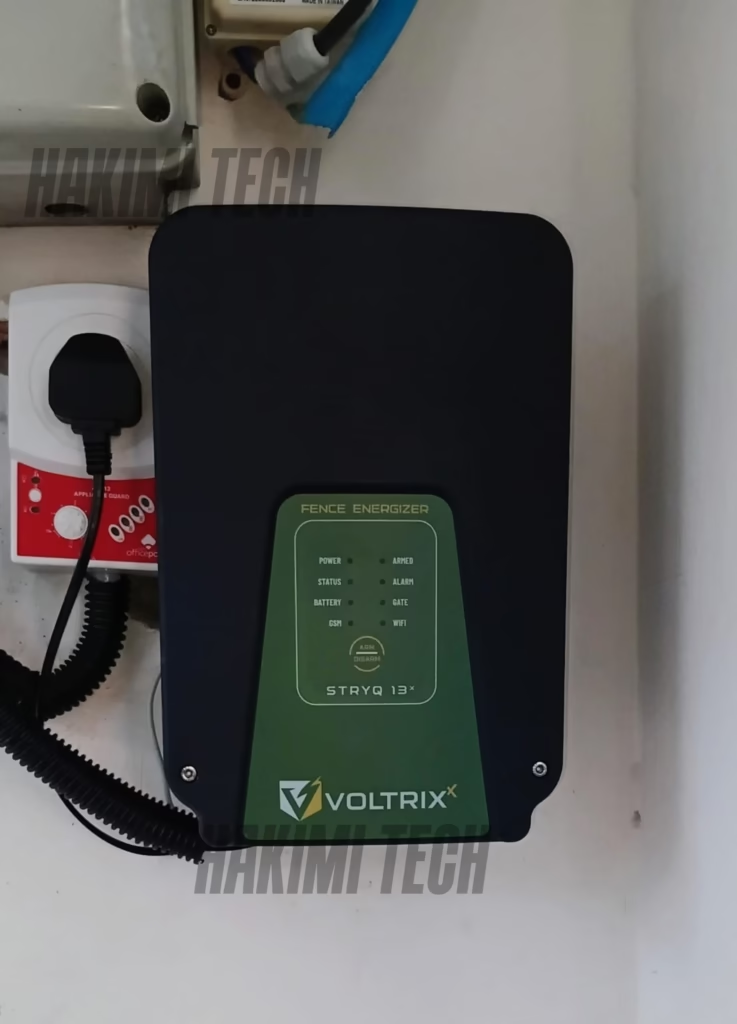
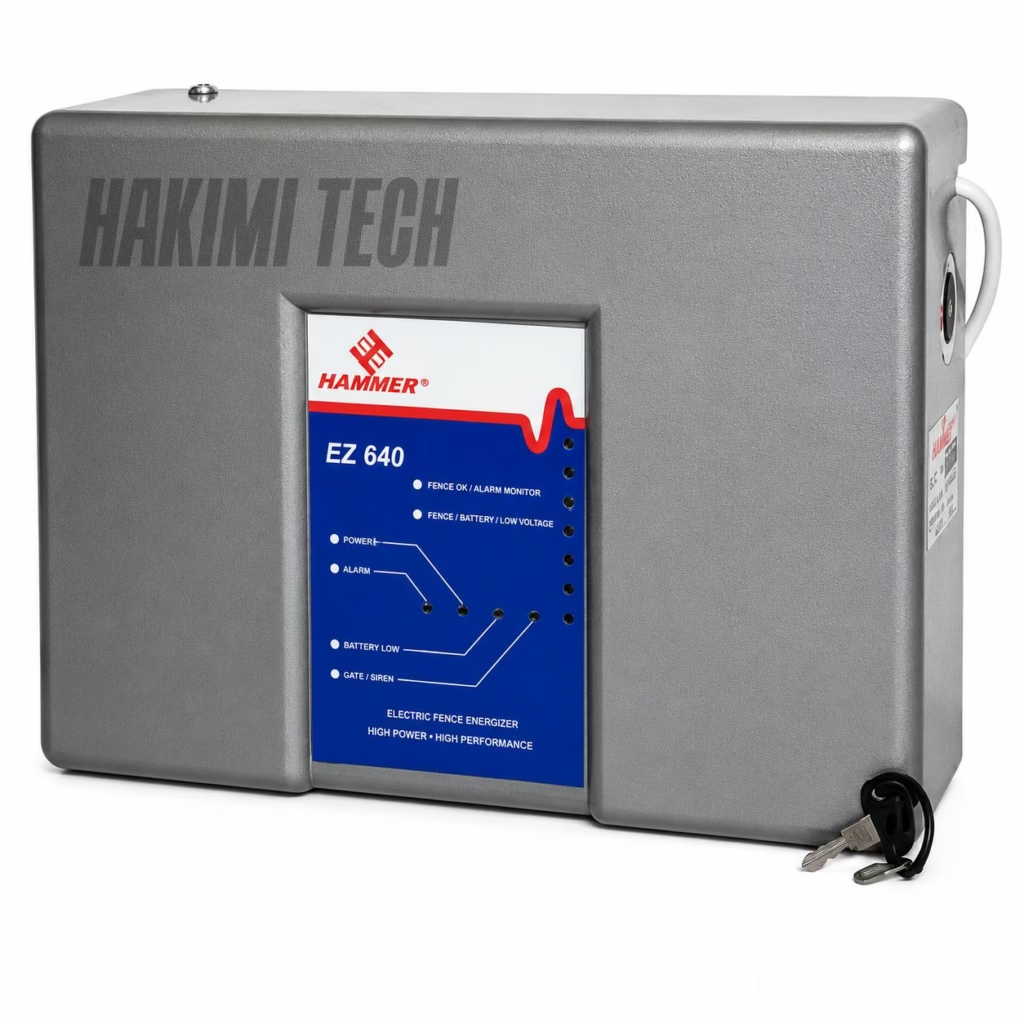
The energizer sends controlled electrical pulses through the fence wires every second. If someone touches the wire, they receive a short, safe shock that acts as a deterrent. At the same time, modern electric fence systems monitor voltage levels and detect faults such as wire cuts, grounding issues, or tampering.
If any component is damaged, the energizer may not deliver the correct voltage, reducing the effectiveness of the entire security system.
Top 10 Signs Your Electric Fence Needs Repair
1. Your Fence Alarm Keeps Beeping
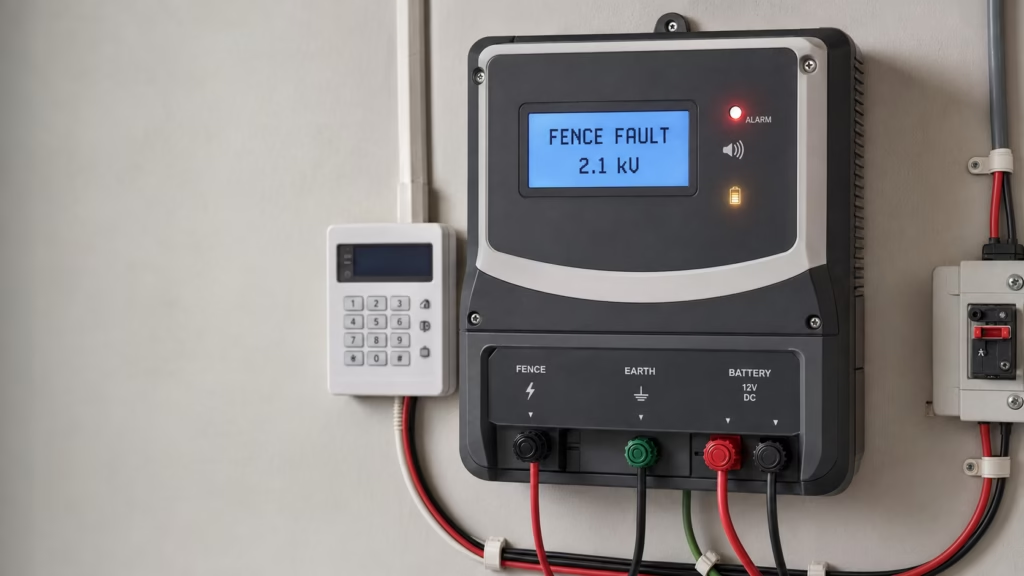
A beeping fence alarm should never be ignored
One of the most common warning signs is a fence alarm that keeps beeping or displaying an error message.
While many property owners simply silence the alarm, this is not a solution. The alarm is designed to alert you that the system has detected a fault requiring attention.
Possible causes include:
- Low fence voltage
- Cut fence wires
- Earth leakage
- Damaged insulators
- Loose electrical connections
- Battery problems
- Energizer faults
Ignoring a persistent alarm could leave sections of your fence unprotected without you realising it.
What should you do?
Do not disable the alarm permanently. Instead, arrange for a qualified technician to carry out a full fault-finding inspection using specialised electric fence testing equipment. Identifying the root cause early prevents more extensive repairs later.
2. Low Electric Fence Voltage
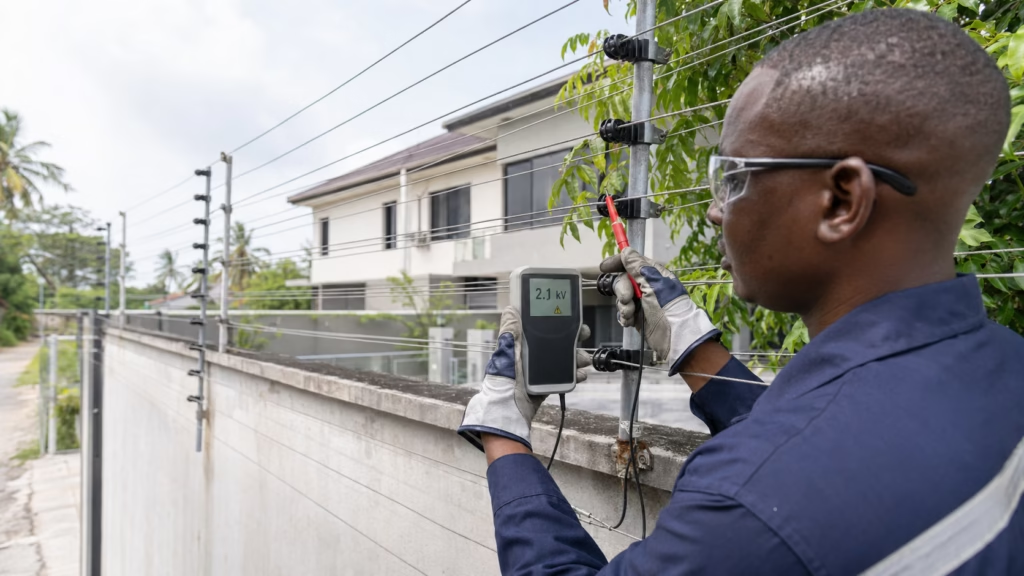
Your electric fence may look perfectly normal, but if the voltage is too low, it may not deter intruders effectively. A properly functioning electric fence should maintain the voltage recommended by the manufacturer. When the voltage drops below this level, your property’s security is compromised.
Low voltage is often caused by damaged wires, poor earthing, faulty insulators, vegetation touching the fence, or an aging energizer. In coastal areas like Mombasa, corrosion on electrical connections can also reduce fence performance over time.
Signs of Low Fence Voltage
- The fence monitor displays a low voltage warning.
- The energizer indicates a fault.
- The alarm activates repeatedly.
- The fence no longer delivers its normal deterrent effect.
What should you do?
A qualified technician should test the fence using a professional electric fence voltmeter. This allows the exact location of the voltage loss to be identified quickly and repaired before it becomes a bigger problem.
3. Rust and Corrosion on Fence Components
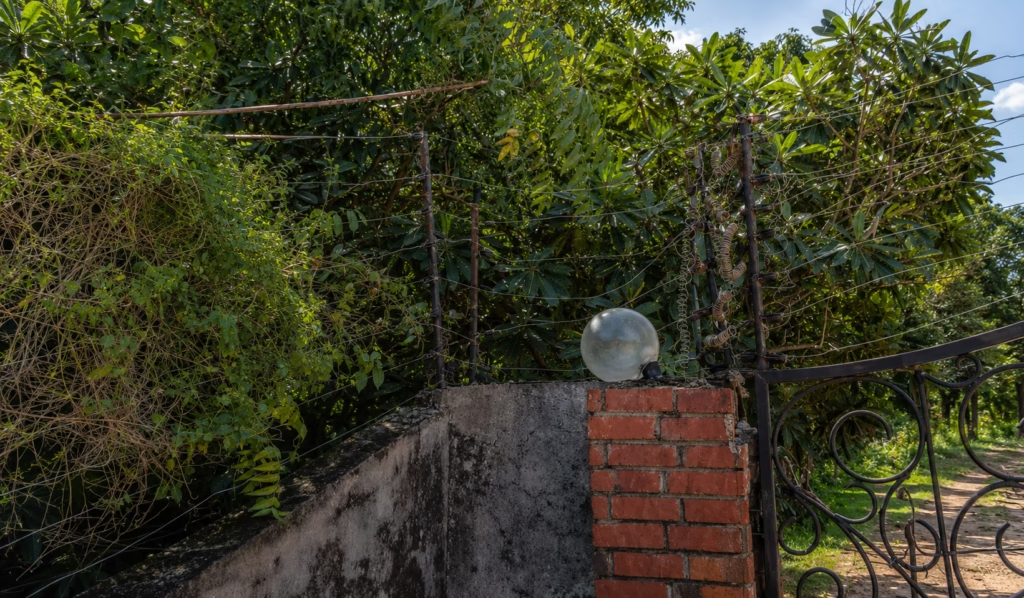
Properties along Kenya’s coast face a unique challenge—salt-laden sea air. Areas such as Mombasa, Nyali, Bamburi, Shanzu, Kilifi, Diani, and Malindi experience high humidity and salty air that accelerate rust and corrosion.
Corrosion affects fence wires, brackets, tensioners, earth rods, connectors, springs, and electrical joints. As rust spreads, electrical conductivity decreases, making the entire fence less effective.
Common signs include:
- Rust on fence wires.
- Corroded brackets or bolts.
- Green or white corrosion around cable joints.
- Loose or weakened electrical connections.
- Discoloured fence hardware.
Why this matters
Many fence failures begin with small areas of corrosion that go unnoticed. Routine inspections help identify these issues early, preventing expensive replacements later.
4. Broken or Cracked Insulators
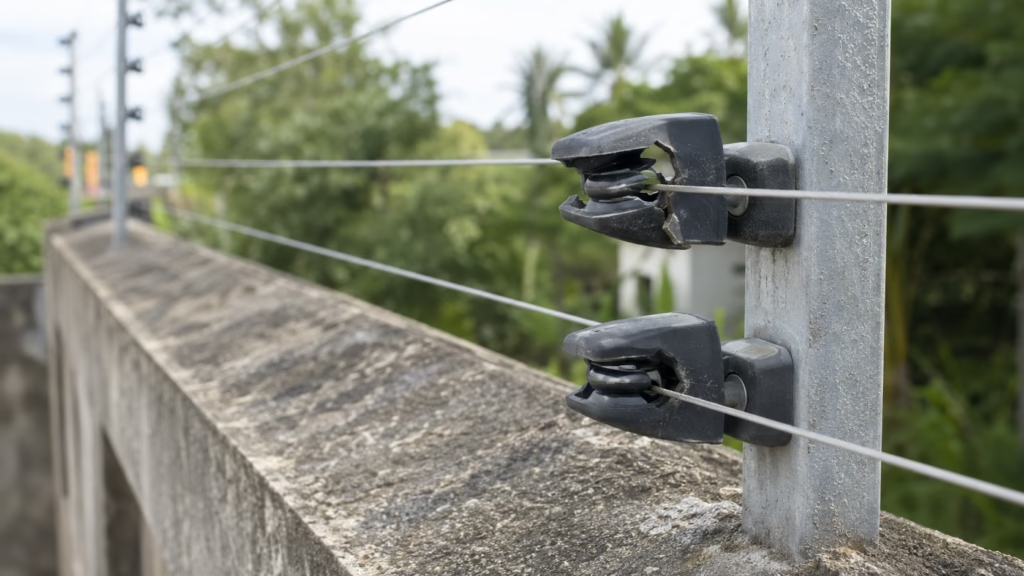
Insulators are small components with a very important job. They keep the live fence wires separated from the supporting poles or brackets. If an insulator cracks or breaks, electricity leaks away instead of travelling through the fence.
Broken insulators are often caused by:
- Age and weather exposure.
- UV damage.
- Accidental impact.
- Poor-quality materials.
- Incorrect installation.
Warning signs include:
- Visible cracks.
- Missing insulators.
- Loose fence wires.
- Frequent voltage drops.
- Sparks around fence posts.
Replacing damaged insulators is one of the quickest ways to restore proper fence performance.
5. Cut or Damaged Fence Wires
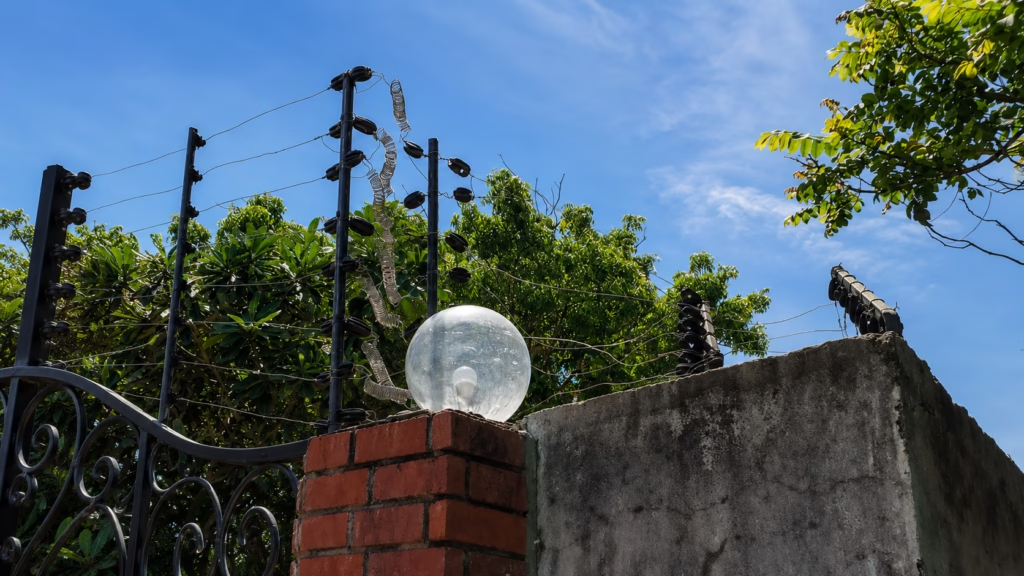
Fence wires can become damaged for many reasons. Sometimes intruders deliberately cut them to gain access. In other cases, falling branches, strong winds, construction work, or accidental impacts can break the wires.
Even a small break interrupts the electrical circuit and reduces the effectiveness of the entire fence.
Look out for:
- Loose wires.
- Sagging fence lines.
- Broken tension springs.
- Visible cuts.
- Alarm notifications.
- Sections of the fence with no voltage.
If you notice any damaged wires, avoid touching them and arrange for professional repairs immediately.
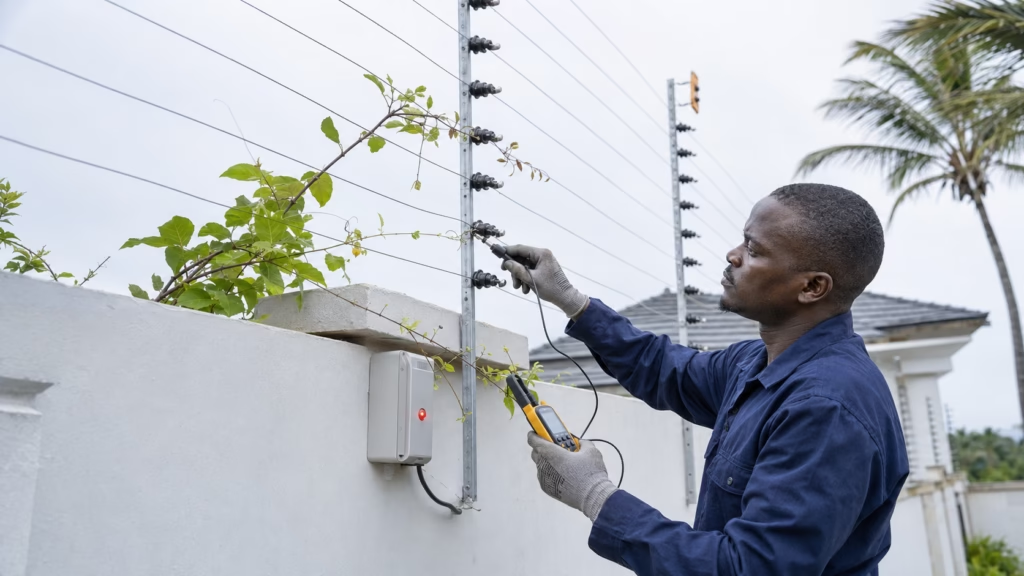
6. Vegetation Touching the Fence
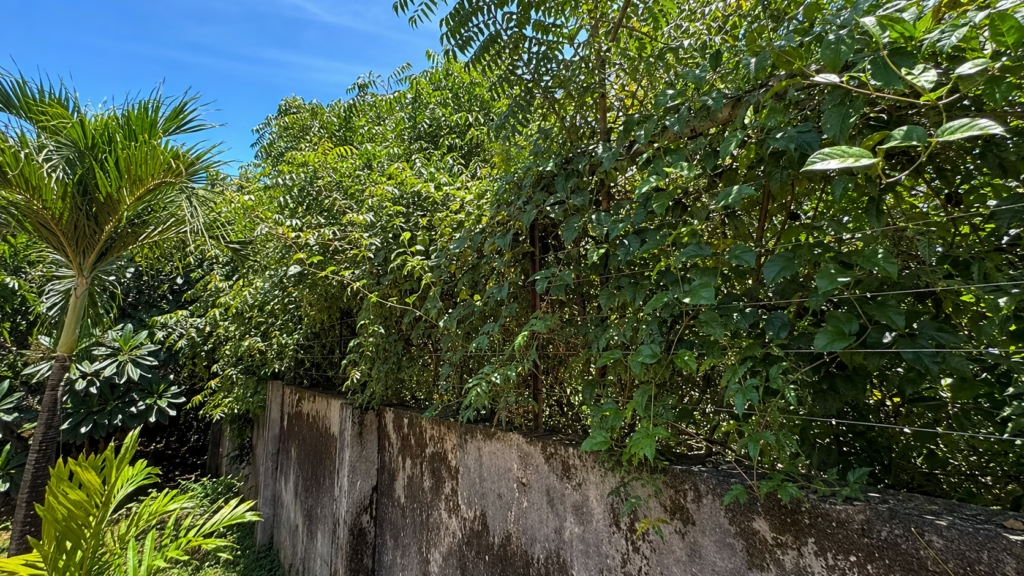
This is one of the most common causes of electric fence faults, especially during the rainy season.
Trees, shrubs, vines, and tall grass can touch the live fence wires and create a path for electricity to leak into the ground. This reduces fence voltage and causes continuous alarm warnings.
Common vegetation problems include:
- Overgrown hedges.
- Climbing plants.
- Tree branches.
- Long grass.
- Creepers growing through the fence.
Preventive tip
Regular trimming around the fence line helps maintain the correct voltage and reduces unnecessary strain on the energizer. A clean fence line also makes it easier to spot damage during inspections.
7. Lightning Damage
Kenya experiences frequent thunderstorms, and lightning can cause severe damage to electric fence systems.
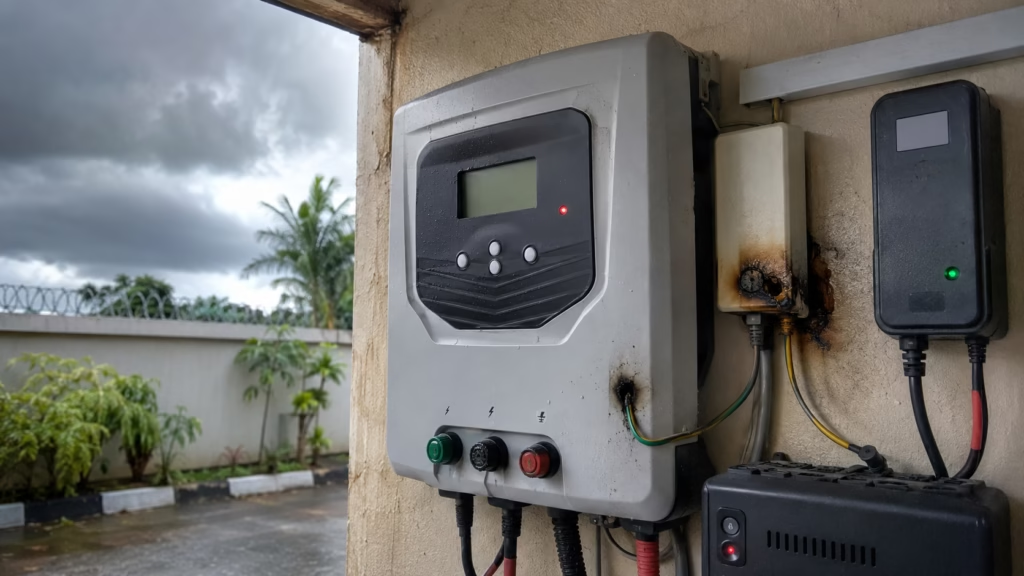
Even when the fence is fitted with surge protection, a nearby strike may damage the energizer, battery charger, alarm monitor, or communication modules.
Signs of lightning damage include:
- Fence suddenly stops working.
- Burn marks on equipment.
- Alarm no longer responds.
- Energizer display is blank.
- Constant fault indicators.
After a major storm, it is good practice to have your electric fence inspected to ensure every component is still operating correctly.
8. Battery Backup Failure
An electric fence is designed to protect your property 24 hours a day, even during power outages. That’s why every professionally installed electric fence should have a reliable battery backup system.
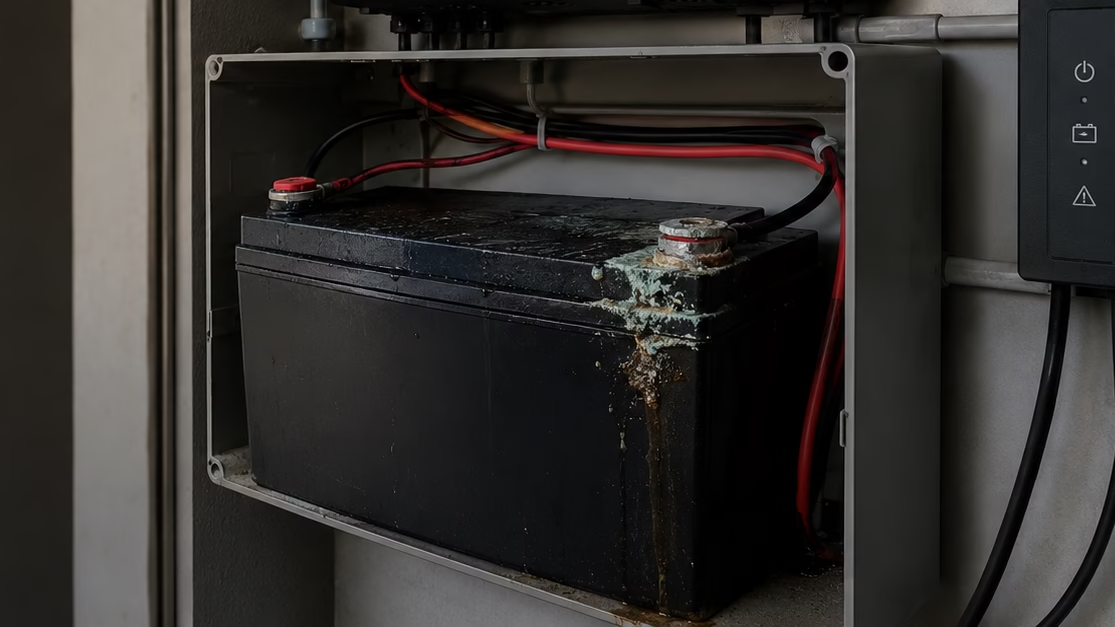
Over time, batteries naturally lose their ability to hold a charge. In some cases, poor maintenance, extreme temperatures, faulty chargers, or old batteries can cause the backup system to fail completely. When this happens, your electric fence may stop working as soon as there is a power interruption, leaving your property exposed when you need protection the most.
Common Signs of Battery Failure
- The battery warning light is illuminated.
- The fence stops working during a power outage.
- The battery drains very quickly.
- The energizer continuously displays battery faults.
- Swollen, leaking, or corroded battery terminals.
- The battery is more than 3–5 years old.
Why Prompt Replacement Matters
Many property owners assume their electric fence is fully operational until a blackout occurs. Unfortunately, this is often when they discover the battery is no longer providing backup power.
Regular battery testing and timely replacement ensure your security system continues protecting your home or business without interruption.
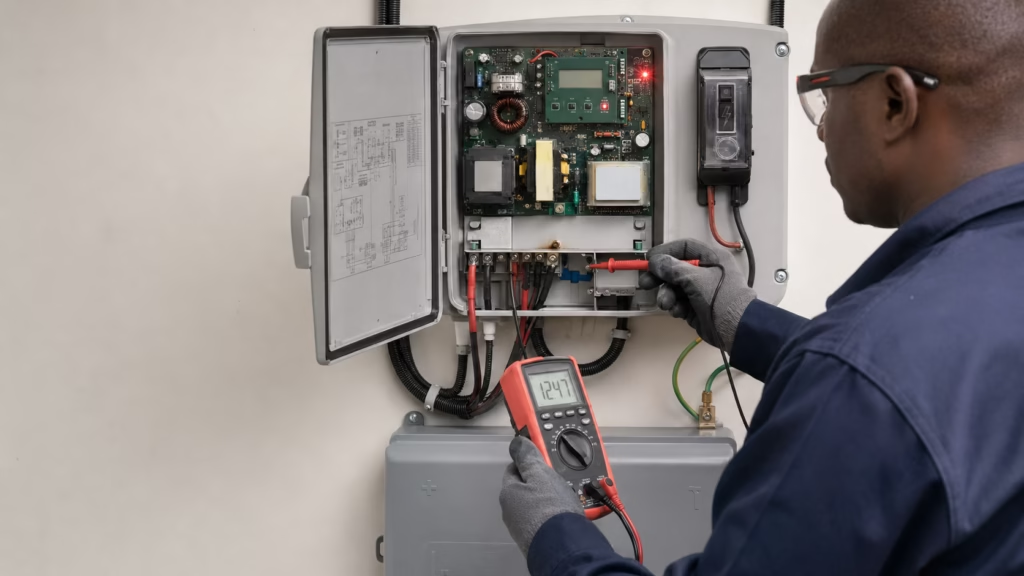
9. Energizer Faults
The energizer is the heart of your electric fence system. It generates the high-voltage pulses that travel through the fence wires. If the energizer develops a fault, the entire security system becomes less effective or may stop working completely.
Like any electrical equipment, energizers can fail due to age, moisture, lightning strikes, power surges, incorrect installation, or internal component wear.
Warning Signs of a Faulty Energizer
- No power output.
- Flashing fault indicators.
- Continuous alarm notifications.
- Low voltage despite no visible fence damage.
- Burnt smell from the unit.
- The display panel is blank or frozen.
Can an Energizer Be Repaired?
In many cases, yes. However, the energizer should always be inspected by a qualified electric fence technician. Attempting to repair high-voltage equipment without the proper knowledge and tools can be dangerous and may cause further damage.
Professional fault finding helps determine whether the energizer can be repaired or if replacement is the more cost-effective solution.
10. Frequent False Alarms
Does your electric fence alarm activate even though there is no intruder?
False alarms are frustrating, but they should never be ignored. In most cases, they indicate an underlying issue that needs professional attention.
Common Causes of False Alarms
- Loose fence wires.
- Damaged insulators.
- Poor earthing.
- Vegetation touching the fence.
- Moisture entering electrical components.
- Loose electrical connections.
- Faulty gate contacts.
- Aging energizer equipment.
Frequent false alarms can also cause people to ignore genuine alerts, reducing the effectiveness of your property’s security.
A professional inspection can identify the source of the problem and restore your system to reliable operation.
Why Mombasa’s Coastal Climate Damages Electric Fences Faster
Living near the coast has many advantages, but it also creates additional challenges for electrical security systems.
The salty sea air, high humidity, strong coastal winds, and heavy seasonal rains in areas such as Mombasa, Nyali, Bamburi, Shanzu, Kilifi, Diani, and Malindi can significantly shorten the lifespan of electric fence components if they are not properly maintained.
Coastal Weather Can Cause:
- Accelerated rust and corrosion.
- Oxidised electrical connections.
- Reduced electrical conductivity.
- Faster battery deterioration.
- Moisture entering control panels.
- Increased wear on fence hardware.
For this reason, electric fences installed along the Kenyan coast should be professionally inspected at least once or twice a year. Preventive servicing helps identify corrosion, loose connections, and early signs of component failure before they develop into costly repairs.
What Happens If You Ignore Electric Fence Repairs?
Ignoring a fault may seem like a way to save money in the short term, but it often leads to much higher repair costs later.
A small voltage leak today can eventually damage the energizer. A cracked insulator can cause repeated voltage loss. A weak battery may leave your property unprotected during a power outage.
Most importantly, a faulty electric fence creates a false sense of security. While the system may appear operational, it may not provide the level of protection your home or business requires.
Regular inspections and prompt repairs help avoid:
- Complete system failure.
- Higher repair costs.
- Increased security risks.
- Equipment replacement.
- Unplanned downtime.
- Insurance complications following a break-in.
Safe Checks You Can Perform Yourself
While electrical repairs should always be left to trained professionals, there are a few simple visual inspections you can carry out safely.
✔ Check for broken or sagging wires.
✔ Look for vegetation touching the fence.
✔ Inspect visible rust or corrosion.
✔ Ensure warning signs remain clearly visible.
✔ Check whether the battery warning light is illuminated.
✔ Listen for unusual alarm sounds.
✔ Confirm the energizer display appears normal.
Important: Never touch live fence wires or attempt to repair the energizer yourself. Electric fence systems operate at high voltage and require specialised equipment for safe testing and repairs.
When Should You Call an Electric Fence Repair Professional?
If you notice any of the warning signs mentioned in this guide, it is best to arrange a professional inspection as soon as possible.
A qualified electric fence technician has specialised testing equipment that can quickly locate hidden faults, measure voltage accurately, inspect the earthing system, test the battery, evaluate the energizer, and confirm that every section of the fence is operating correctly.
Early fault detection not only restores your security but also extends the life of your entire electric fence system.
Why an Annual Maintenance Contract (AMC) Saves You Money
Many property owners only call for repairs after their electric fence has stopped working. However, by that stage, what could have been a simple maintenance visit may have turned into a costly repair or equipment replacement.
An Annual Maintenance Contract (AMC) is a proactive way to keep your electric fence operating at peak performance throughout the year. Instead of waiting for faults to occur, scheduled inspections help identify small issues before they become major problems.
What Does an Electric Fence AMC Include?
At Hakimi Tech, our Annual Maintenance Contracts are designed to give you complete peace of mind. Depending on your property’s requirements, an AMC may include:
- Comprehensive electric fence inspection.
- Professional voltage testing.
- Fault finding and diagnostics.
- Checking the energizer for proper operation.
- Battery testing and health assessment.
- Inspection of earth (grounding) systems.
- Tightening loose electrical connections.
- Inspection of fence wires and tension.
- Replacement recommendations for worn components.
- Cleaning and servicing of electrical enclosures.
- Vegetation inspection around the fence line.
- System performance reporting and maintenance records.
Regular servicing helps maximise the lifespan of your electric fence while reducing the likelihood of unexpected breakdowns.
Benefits of an Annual Maintenance Contract
Choosing an AMC provides several long-term advantages:
- Reduces emergency repair costs.
- Extends the lifespan of your electric fence.
- Maintains the correct fence voltage.
- Detects faults before they become serious.
- Improves overall property security.
- Minimises downtime after storms or power outages.
- Helps maintain manufacturer-recommended performance.
- Gives property owners greater peace of mind.
Whether you own a home, commercial building, warehouse, school, hospital, factory, or industrial facility, preventive maintenance is one of the smartest investments you can make in your security system.
Why Choose Hakimi Tech for Electric Fence Repairs?
Hakimi Tech provides professional electric fence repair, fault diagnosis, refurbishment and preventive maintenance throughout Mombasa and the wider coastal region of Kenya.
Your electric fence is only as reliable as the team maintaining it. At Hakimi Tech, we understand that every property has different security requirements. Our goal is not just to repair faults, but to ensure your entire system operates safely, efficiently, and reliably throughout the year.
Our experienced technicians use professional testing equipment to diagnose faults accurately and provide practical repair solutions. We work with a wide range of electric fence systems installed on residential, commercial, industrial, institutional, and agricultural properties.
Why Customers Trust Hakimi Tech
✔ Professional electric fence fault finding.
✔ Accurate voltage testing and diagnostics.
✔ Electric fence refurbishment and upgrades.
✔ Battery replacement and energizer testing.
✔ Lightning damage inspections.
✔ Vegetation and fence line assessments.
✔ Preventive maintenance services.
✔ Annual Maintenance Contracts (AMC).
✔ Prompt and reliable customer support.
Areas We Serve
Hakimi Tech proudly provides professional electric fence installation, repairs, maintenance, refurbishment, and Annual Maintenance Contracts across:
- Mombasa
- Nyali
- Bamburi
- Shanzu
- Kilifi
- Vipingo
- Diani
- Ukunda
- Malindi
- Mariakani
- Mazeras
- Kwale
- The wider Coastal Region of Kenya
No matter the size of your property, our team is committed to helping you keep your security system performing at its best.
Frequently Asked Questions (FAQs)
1. Why does my electric fence keep beeping?
A continuous beeping alarm usually indicates a system fault such as low voltage, damaged wires, faulty insulators, poor earthing, battery problems, or vegetation touching the fence. A professional inspection can quickly identify the exact cause.
2. How often should an electric fence be serviced?
For most properties, we recommend a professional inspection at least once a year. However, properties located along the Kenyan coast or in areas with heavy vegetation may benefit from servicing every six months.
3. What causes low voltage on an electric fence?
Low voltage can result from damaged wires, poor electrical connections, faulty insulators, vegetation contact, battery issues, grounding problems, or a faulty energizer.
4. Can heavy rain damage an electric fence?
Rain itself does not usually damage a correctly installed electric fence. However, heavy rainfall may expose existing faults, increase vegetation growth, or allow moisture to enter damaged electrical components.
5. How long does an electric fence battery last?
Energizer specifications and recommended voltage levels vary between manufacturers. Property owners can consult the official JVA electric-fence manuals and resources for general product guidance.
JVA provides official energizer manuals and technical resources on that page. JVA Downloads and Resources Most backup batteries last between three and five years, depending on usage, charging conditions, maintenance, and environmental factors.
6. Is it safe to repair an electric fence myself?
Basic visual inspections are safe. However, testing or repairing electrical components should always be carried out by trained technicians using specialised equipment.
7. What should I do if my electric fence stops working after a lightning storm?
Switch off the system if it is safe to do so and arrange a professional inspection. Lightning can damage the energizer, surge protection, batteries, or alarm system, even if there is no visible damage.
8. Does an Annual Maintenance Contract really save money?
Yes. Preventive maintenance helps identify small faults before they become expensive repairs. It also extends the life of your equipment, reduces emergency call-outs, and keeps your electric fence operating reliably.
Conclusion
Your electric fence is one of the most important security investments protecting your home or business. Like any security system, it performs best when it is inspected, tested, and maintained regularly.
If you notice warning signs such as a constantly beeping alarm, low fence voltage, rust, damaged insulators, broken wires, vegetation touching the fence, battery problems, or energizer faults, do not ignore them. Addressing these issues early helps prevent costly repairs and ensures your property remains protected.
At Hakimi Tech, we specialise in professional electric fence repairs, fault finding, voltage testing, system refurbishment, preventive maintenance, and Annual Maintenance Contracts (AMC). Our experienced technicians proudly serve Mombasa, Kilifi, Diani, Malindi, and the wider Coastal Region, delivering reliable solutions tailored to each property’s needs.
Whether you require a one-time repair or ongoing maintenance, our team is ready to help keep your electric fence operating safely and efficiently.
Contact Hakimi Tech today to schedule a professional electric fence inspection and keep your property protected all year round.
For reference of other sites done by Hakimi tech kindly go through with the link https://hakimitech.co.ke/electric-fence-repair-tudor-mombasa/